Supporting Veterans and Preparing Them for Life After Active Duty
- Jason Ruben
- 3 days ago
- 3 min read
Transitioning from military service to civilian life is a major change. It can bring many challenges, from finding a new career to adjusting to a different daily routine. Supporting veterans during this time is essential. They deserve help to build a strong foundation for their next chapter. I want to share some ways we can support veterans and prepare them for life after active duty.

Understanding the Challenges Veterans Face After Service
Leaving the military means leaving behind a structured environment. Veterans often face uncertainty about their future. Some common challenges include:
Finding a job that matches their skills and interests
Accessing healthcare and mental health support
Adjusting to civilian culture and lifestyle
Managing finances and benefits
Building a new social network outside the military
These challenges can feel overwhelming. Without the right support, veterans may struggle to find their footing. That’s why it’s important to offer clear guidance and resources tailored to their needs.
How to Support Veterans in Their Transition
Helping veterans means more than just offering a job or benefits. It means preparing them for life in all areas: professional, personal, and medical. Here are some ways to provide meaningful support:
Career Preparation and Job Placement
Veterans bring valuable skills to the civilian workforce. Translating military experience into civilian job qualifications can be tricky. Career counseling and job placement services can make a big difference. For example, programs that help veterans write resumes, practice interviews, and connect with employers can boost confidence and success.
Personal Development and Community Building
Adjusting to civilian life also means finding new routines and social connections. Support groups, mentorship programs, and community events can help veterans feel connected and supported. These opportunities encourage personal growth and reduce feelings of isolation.
Medical and Mental Health Support
Many veterans face physical or mental health challenges after service. Access to quality healthcare, counseling, and wellness programs is critical. Early intervention and ongoing support improve long-term outcomes.
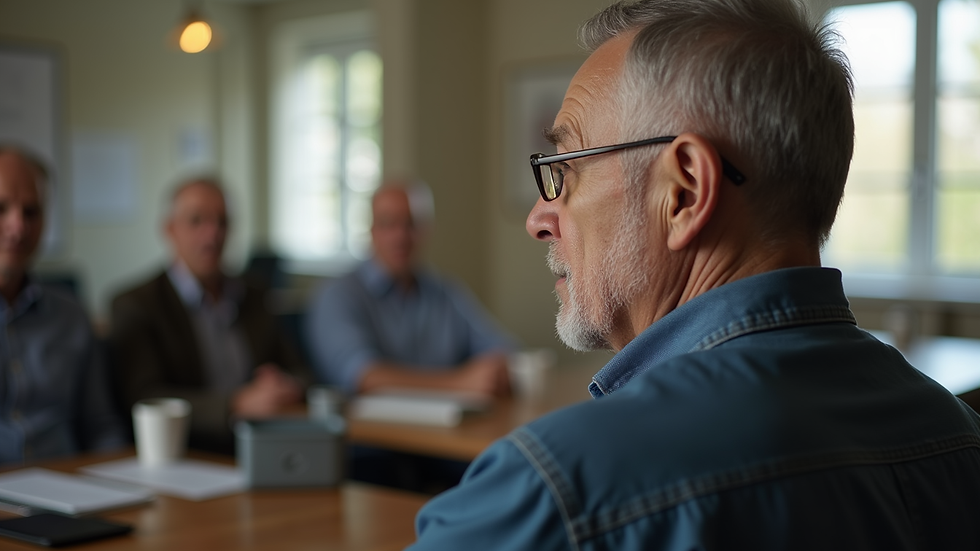
Examples of Services That Help Veterans Thrive
There are several services designed to support veterans in their transition. I want to highlight two that stand out for their comprehensive approach.
Veterans First Transition Program
This program focuses on preparing veterans for their next mission after service. It offers professional coaching, personal development workshops, and medical support. Veterans receive a clear plan tailored to their goals and needs. This helps them feel confident and ready for civilian life.
Career Pathways for Veterans
This service specializes in helping veterans find meaningful employment. It provides resume building, interview training, and connections to veteran-friendly employers. The program also offers ongoing career support to ensure long-term success.
Both programs show how combining professional, personal, and medical support creates a strong foundation for veterans. They demonstrate the value of a clear plan and dedicated resources.
How Veterans Can Take Charge of Their Transition
While support services are vital, veterans also play a key role in their own transition. Here are some steps veterans can take to prepare for life after active duty:
Start planning early, even before leaving the military
Seek out career counseling and training opportunities
Connect with veteran support groups and communities
Prioritize physical and mental health care
Set clear goals for personal and professional growth
Taking these steps helps veterans build confidence and control over their future. It also makes the transition smoother and more successful.

The Role of Family and Friends in Supporting Veterans
Family and friends are often the closest support system for veterans. Their understanding and encouragement can make a big difference. Here’s how loved ones can help:
Listen and offer emotional support without judgment
Encourage veterans to seek professional help when needed
Help veterans connect with community resources
Be patient during the adjustment period
Celebrate milestones and progress
Strong personal support complements professional services and helps veterans feel valued and understood.
Moving Forward with Confidence
Supporting veterans means giving them the tools and resources to succeed after service. It means recognizing their unique challenges and offering tailored help. Programs like the Veterans First Transition Program and Career Pathways for Veterans show how a clear plan and comprehensive support can empower veterans.
If you are a veteran or know someone transitioning from active duty, remember that help is available. Taking the first step to connect with support services can open doors to new opportunities. Life after service is a new mission, and with the right preparation, it can be a fulfilling one.
Let’s work together to ensure every veteran has the support they need to thrive in civilian life. Their service deserves nothing less.



Comments